
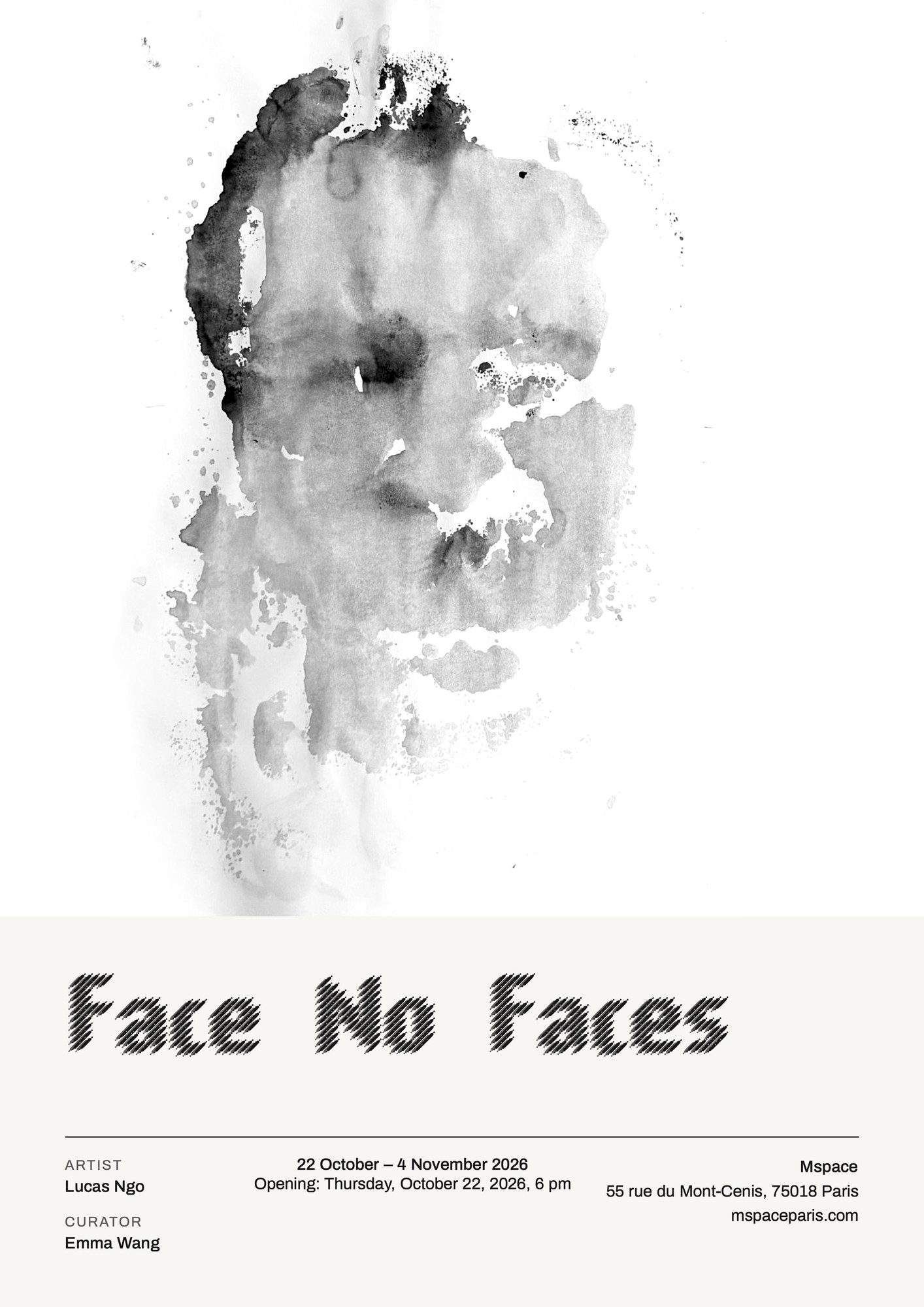
Face No Faces
October 22 — November 4, 2026
Opening: Thursday, October 22, 2026, 6 pm
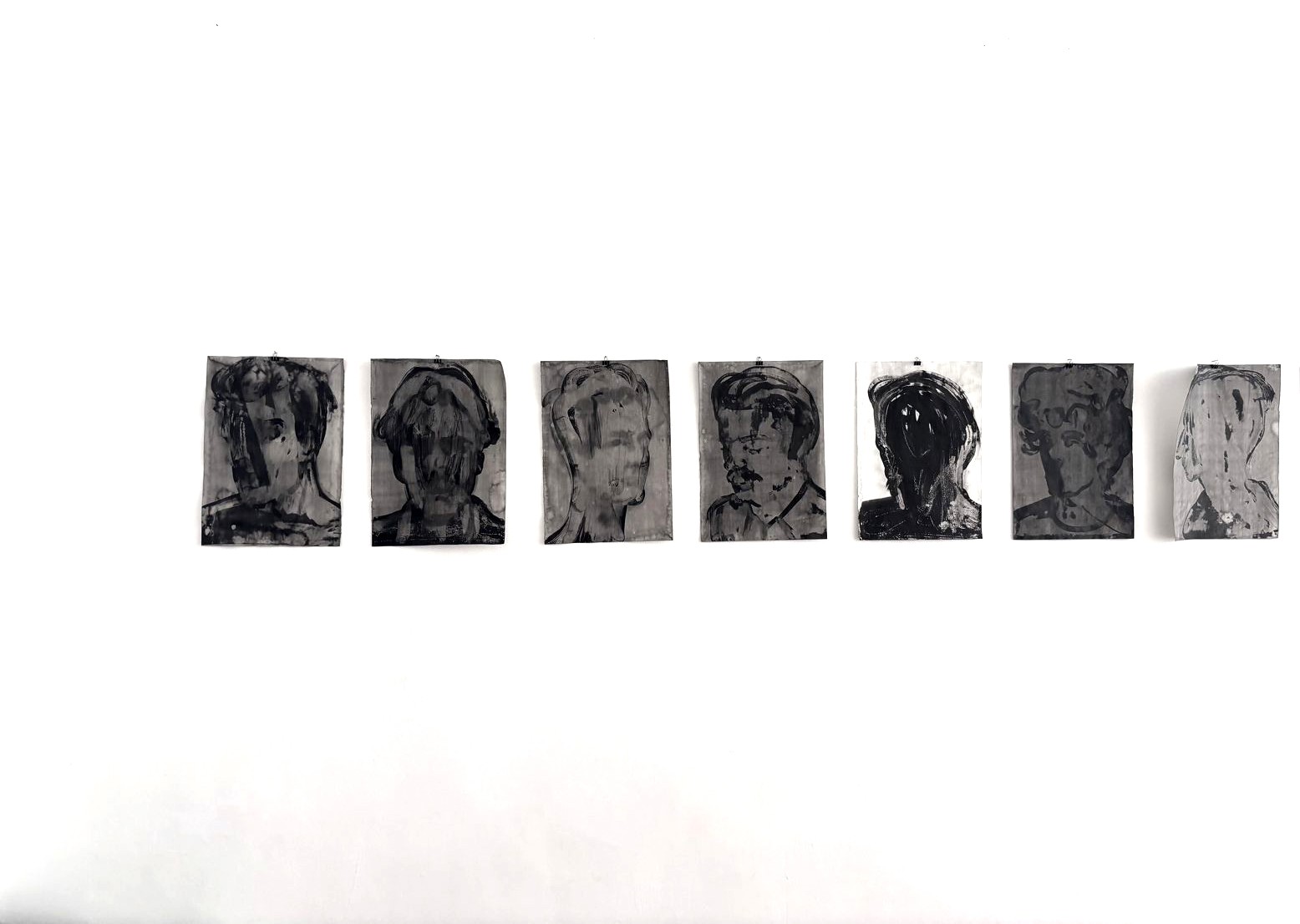
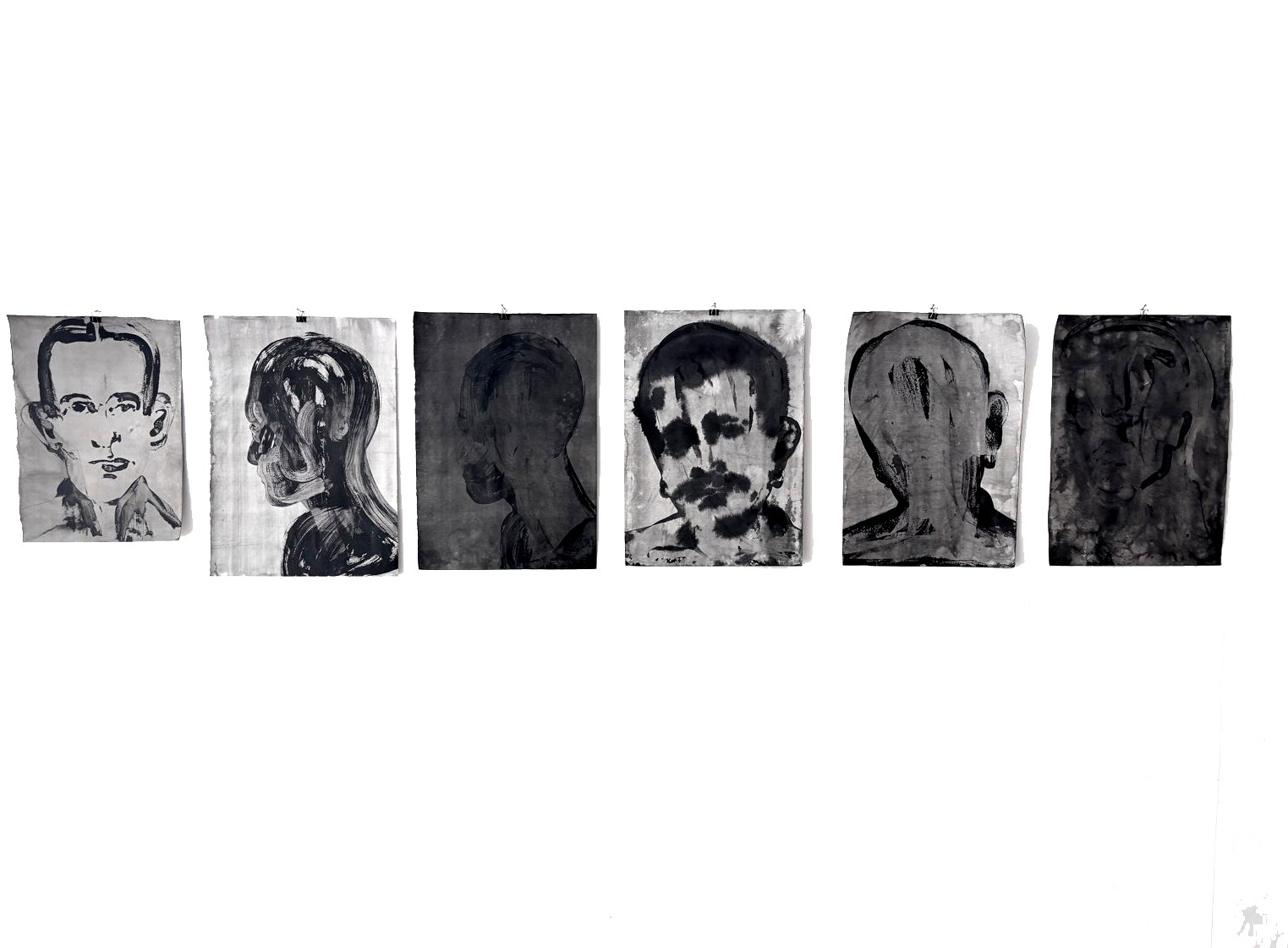
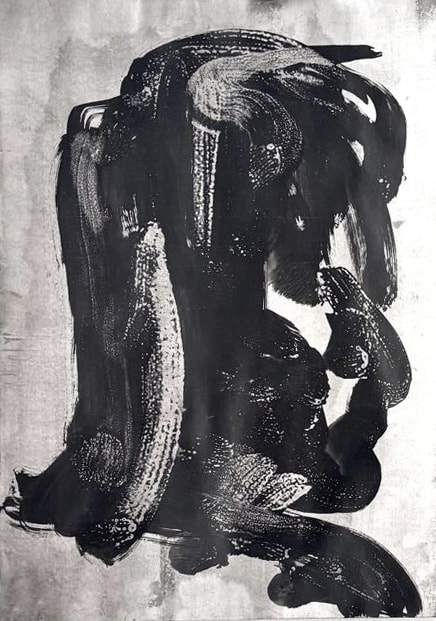
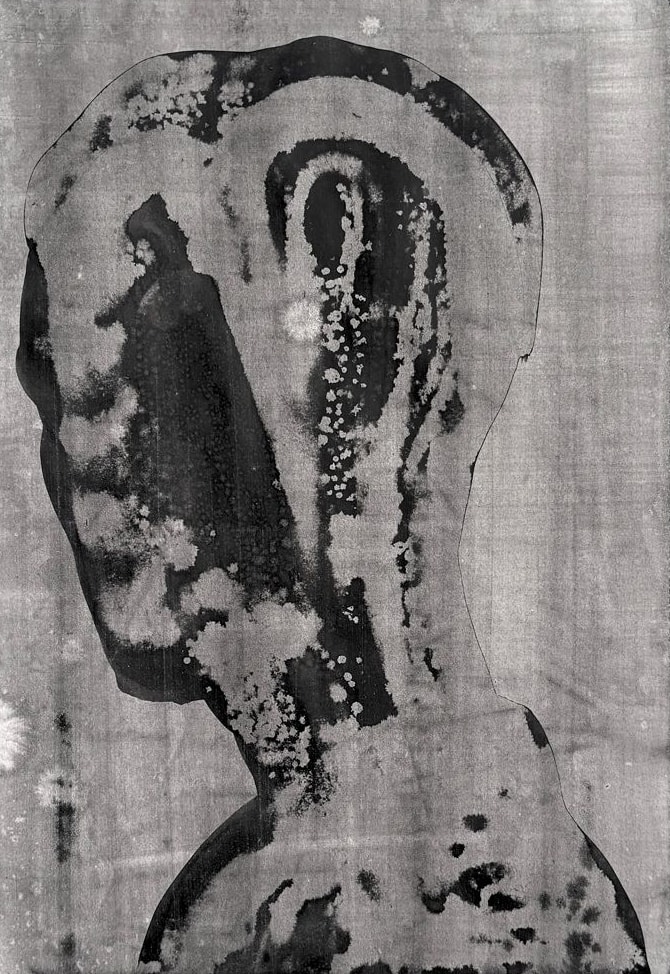
Curatorial text — Emma Wang
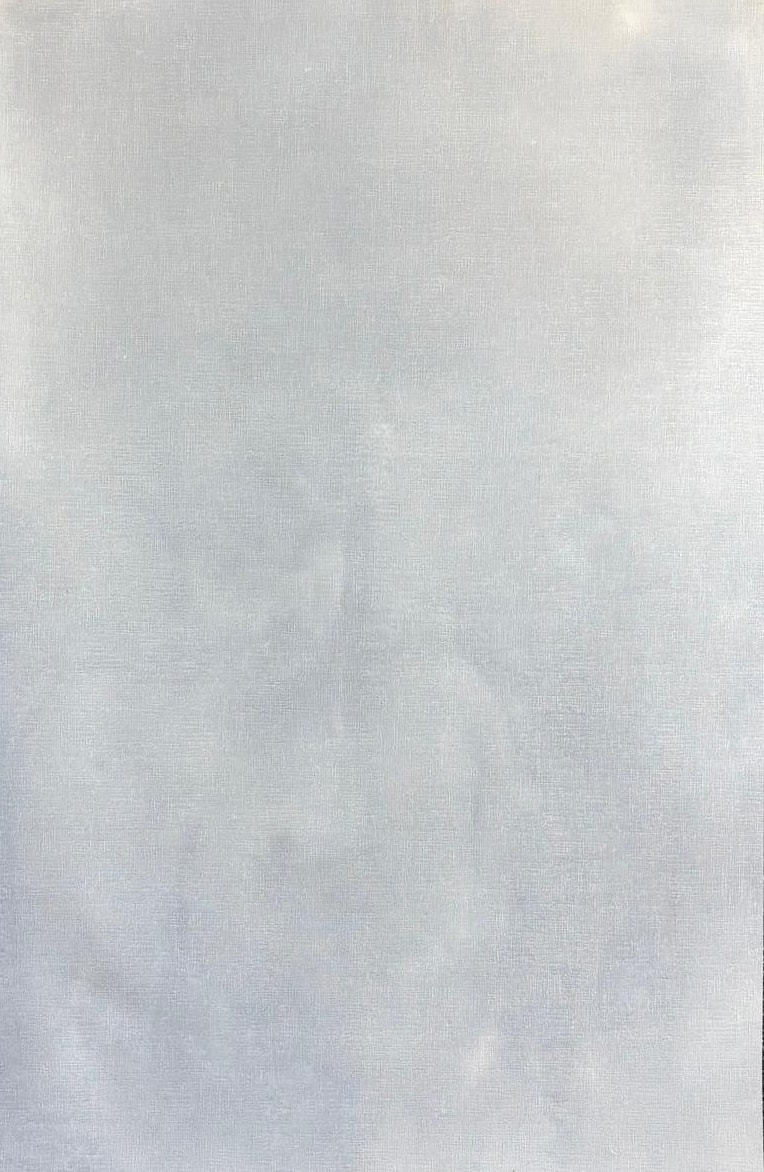
Lucas Ngo lives in Paris and grew up in the south of France. His work explores memory, erasure and traces, asking what remains of an image that carries memory once it has been repeatedly covered, weakened and looked at again through the act of painting — and what, over time, slips away.
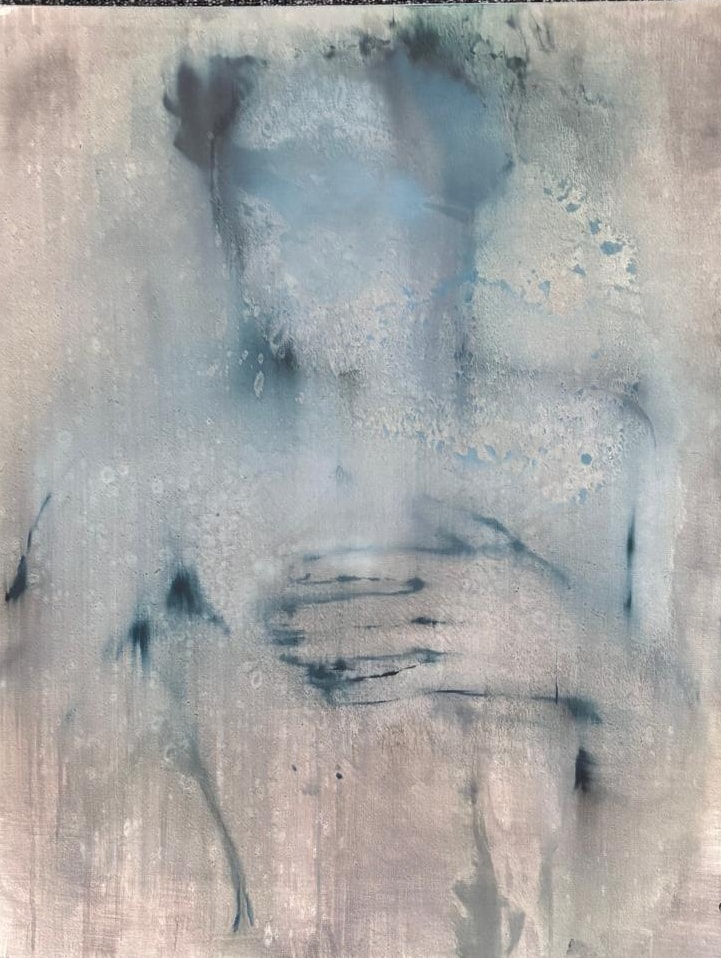
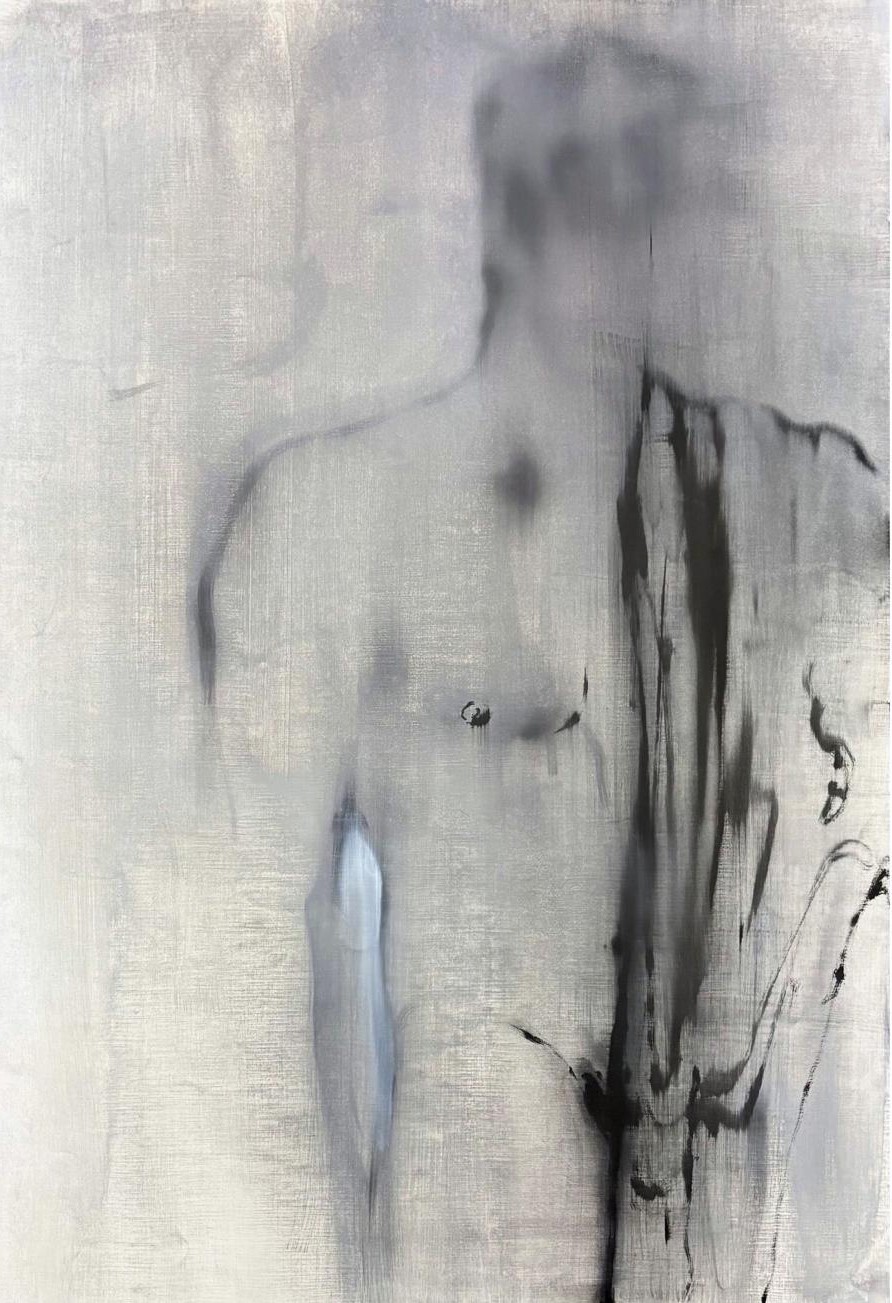
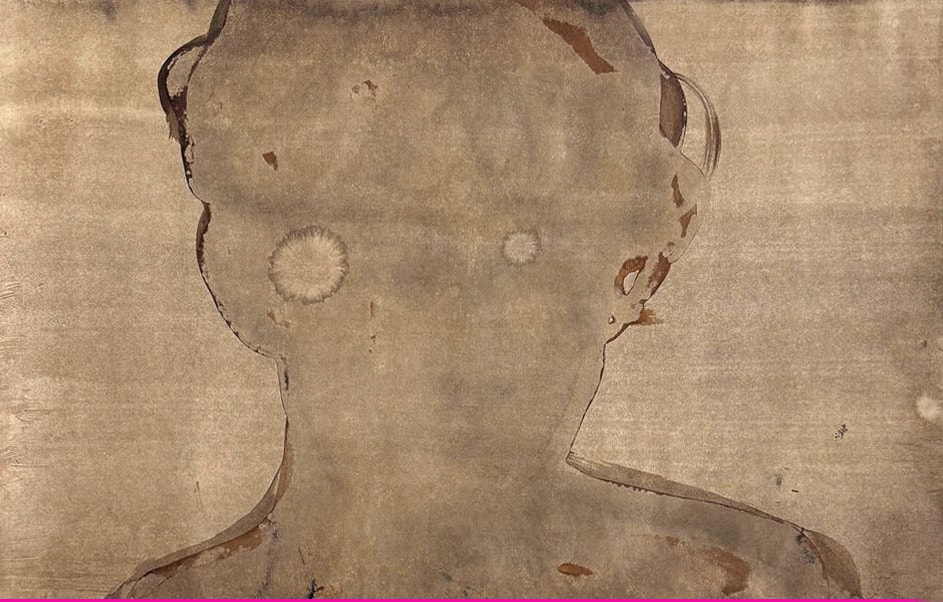
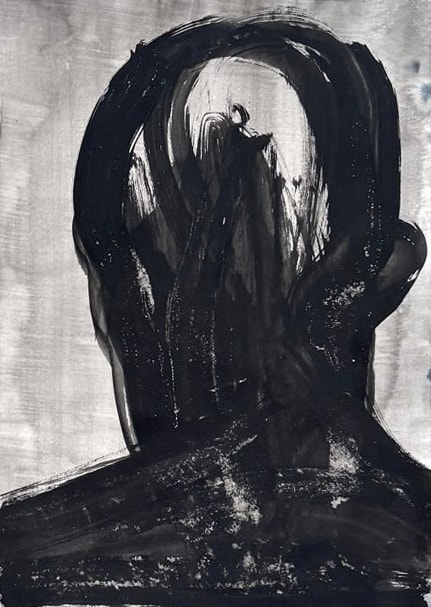
The exhibition brings together works on paper made during the artist's residency and a group of oil paintings never shown before. The works on paper begin with images the artist has gathered over the years from Instagram, Pinterest and other online spaces. Keeping an image does not necessarily mean forming a personal or emotional bond with it; rather, it might one day become material for a painting, a drawing or another work. Removed from their original context, these images enter the studio, where they are looked at again, transformed, and gradually lose their original certainty in the process of painting.
The artist describes his painting process as an act of erasure. While it seems to erase what already exists, painting emerges precisely through this process: erasure is not disappearance but a way of coming into being. As the image is covered, blurred and weakened, it reappears in new traces. His paintings thus remain in constant flux and uncertainty, between appearing and vanishing, between presence and absence.
This attention to absence extends to his research on portraiture. “The portrait is the presence of an absence” has long served as an inspiration and the starting point for his thinking about the spectral. For him, a portrait is not merely the representation of a person but an exploration of the relationship between presence and absence.
The ghost is what the portrait becomes once its likeness has faded. It is neither a complete, clearly defined figure nor sheer emptiness, but something closer to a residue: something that cannot be fully recognised, yet lingers. As a face gradually withdraws from recognisable form, it does not dissolve into blankness; it leaves traces, imprints, a sense of something that once was. The portrait no longer points to a fixed, identifiable identity, but turns towards what remains in the image after identity has dissolved.
Through repeated erasure, what resists disappearance and ultimately remains? Perhaps emotions not yet given form: what was broken in the past, what wavers in the present, what waits for the future. They have no fixed shape, yet they stay within the image. Perhaps this is where painting begins — occupying the gaps left by what cannot be recorded, cannot be spoken, and cannot be wholly remembered. Beyond the edges of language, colour, line and material allow the unsayable to still be felt.